
Why Do Eyelashes Break and Fall Out? Scientific Causes and Prevention
Lash loss or breakage is often seen purely as an aesthetic issue. In reality, it is a biological process closely linked to the natural hair growth cycle, external factors, and the overall condition of the eye area. To effectively prevent lash shedding, it is essential to understand the underlying mechanisms and causes behind it.

The Natural Lash Growth Cycle
Eyelashes, like scalp hair, go through a multi-stage growth cycle consisting of three phases:
the growth phase (anagen),
the transition phase (catagen),
and the resting phase (telogen).
Because most lashes are in the resting phase at any given time, a certain amount of lash shedding is completely normal. The problem begins when lashes start breaking excessively or falling out much faster than they can regrow.
Mechanical Stress as a Primary Cause
One of the most common reasons lashes break is mechanical stress, including:
- frequent eye rubbing
- improper use of eyelash curlers
- aggressive makeup removal
- pulling on lashes while removing mascara or eye makeup
These actions weaken the hair structure and lead to microscopic damage to keratin. As a result, lashes become fragile, unstable, and may break even under minimal pressure.
Cosmetics and Chemical Factors
Certain cosmetic products can significantly worsen lash condition. The most common include:
- waterproof mascaras with high solvent content
- expired or microbiologically contaminated cosmetics
- eyelash serums with overly aggressive concentrations of active ingredients
- improperly performed lash lifts
Chemical reshaping treatments, such as lash lifts or perms, interfere with the internal structure of the lash. Without proper aftercare, they can lead to dryness, loss of elasticity, and eventual breakage.
Nutrient Deficiencies and Hormonal Factors
Systemic factors also play an important role. Deficiencies in biotin, iron, zinc, or protein can negatively affect lash growth. Hormonal fluctuations — for example those related to stress, thyroid disorders, or broader hormonal changes — can have a similar impact.
In these cases, lash breakage or loss is often a secondary symptom rather than the root cause of the problem.
Inflammation and Eye-Area Conditions
Chronic eyelid inflammation, such as blepharitis, can damage the lash follicles. Allergic reactions and frequent eye irritation also weaken the foundation of lash growth. If left untreated, these conditions may lead to thinning or visible gaps along the lash line.
How to Effectively Prevent Lash Loss
Preventing lash breakage and shedding is based on three key pillars:
- gentle handling of the eye area
- using high-quality, well-tolerated cosmetic products
- regular care with regenerative ingredients
Products containing keratin, panthenol, or peptides can strengthen lash structure and improve resilience. Equally important is a gentle cleansing routine that avoids excessive rubbing or friction.
When to See a Doctor
If lash loss appears suddenly, affects only one eye, or is accompanied by skin changes, a consultation with a dermatologist or ophthalmologist is recommended. In rare cases, autoimmune conditions or skin disorders may be responsible and require specialized diagnosis and treatment.
Latest Blog Posts
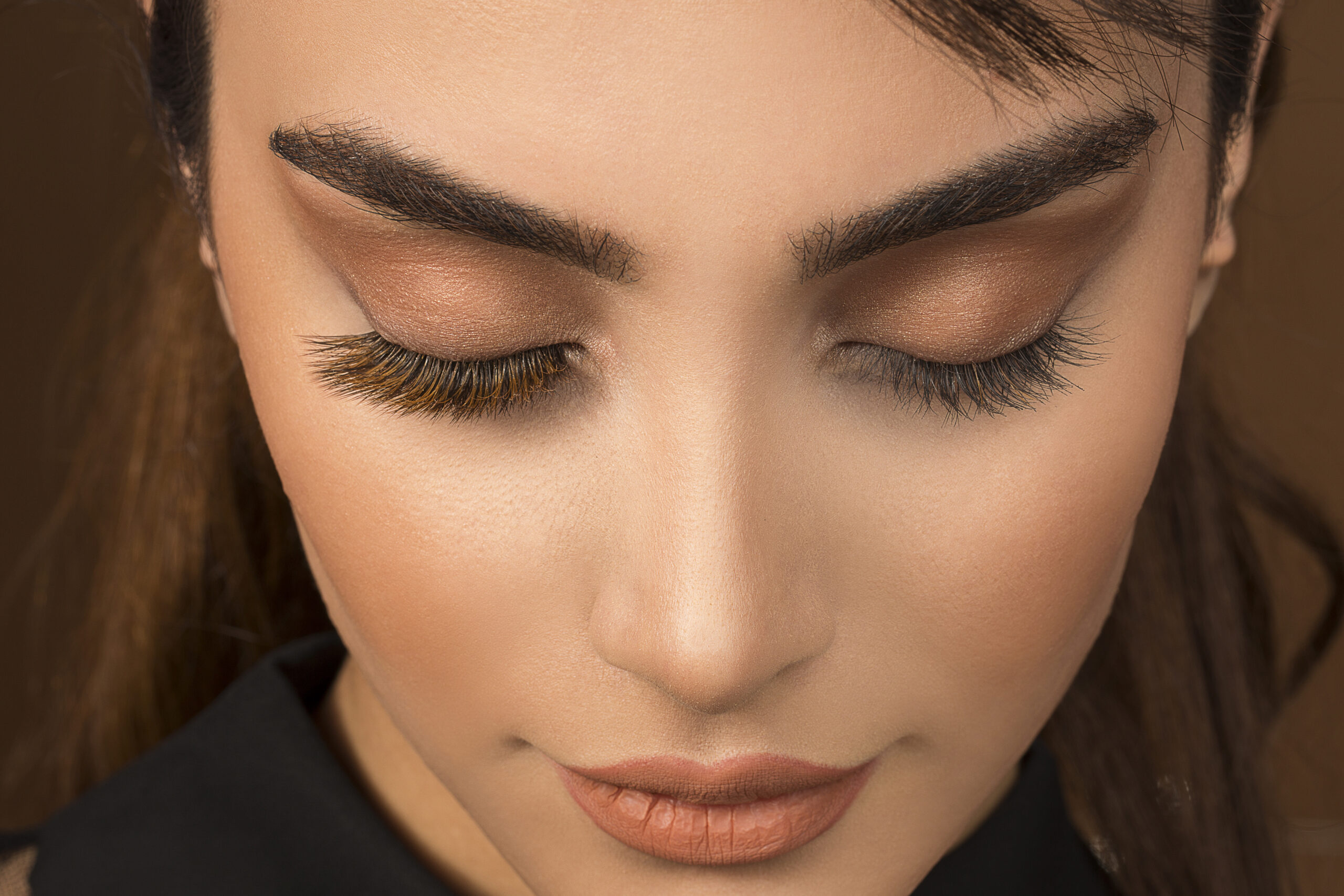

Statement Lashes: How to Master the Boldest Eye Makeup Trend of the Season
Minimalist skin meets maximalist lashes: the Statement Lashes trend is taking over the beauty world! Forget heavy smoky eyes—this season, extremely lengthened, perfectly defined, and colorful lashes are taking center stage. Learn how to recreate this bold look and make your eyes pop in our simple step-by-step guide.
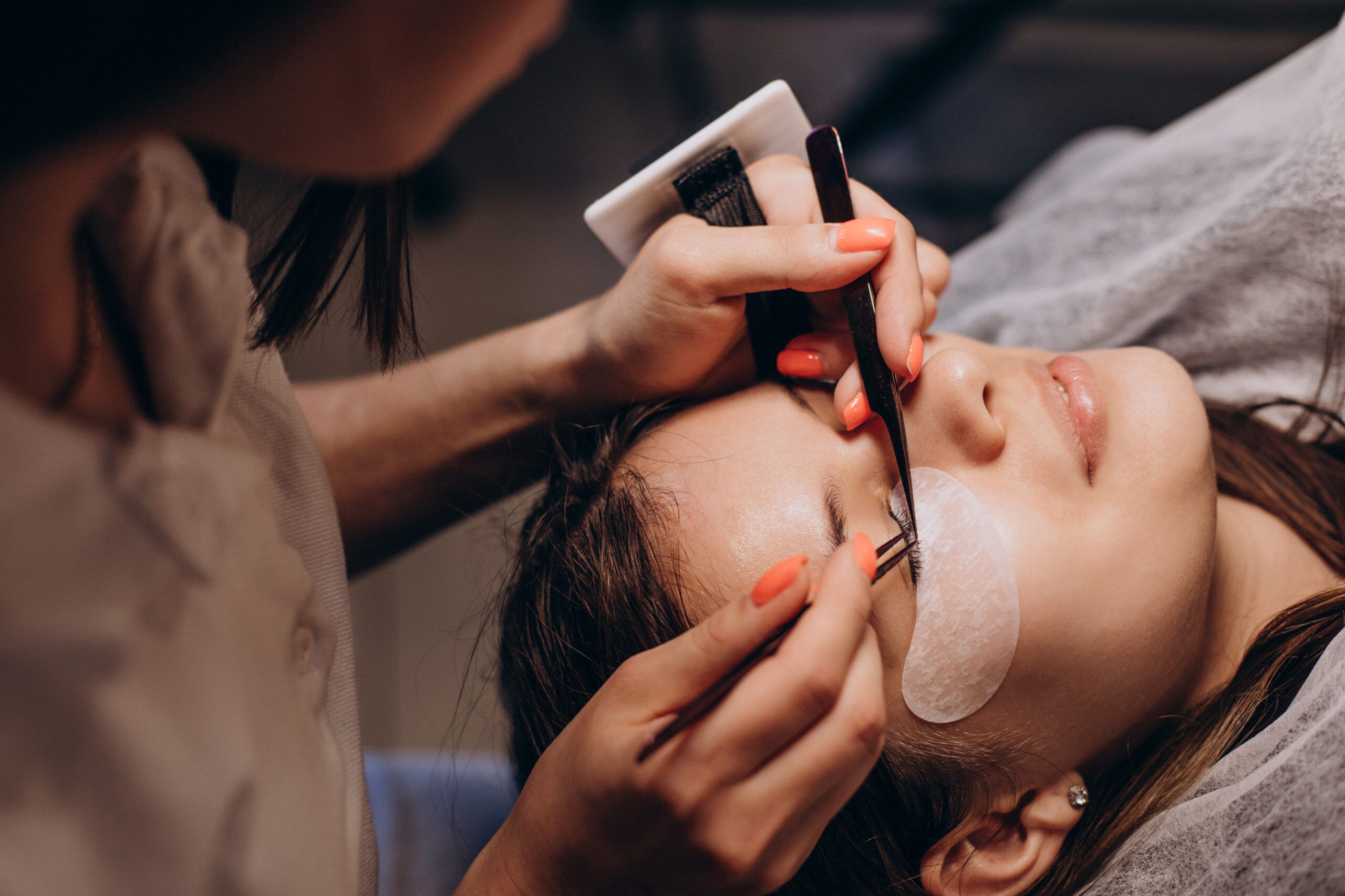

Lower Lash Extensions – Precision, Results, and Potential Risks Explained
Lower Lash Extensions – Precision, Results, and Potential Risks Explained Lower lash extensions are a specialized technique within professional lash […]


Lash Shampoo – Why Proper Cleansing Is Essential for Healthy Lashes
Lash Shampoo – Why Proper Cleansing Is Essential for Healthy Lashes Lash care doesn’t start with serum or mascara — […]

Why Do Eyelashes Break and Fall Out?
Why Do Eyelashes Break and Fall Out? Scientific Causes and Prevention Lash loss or breakage is often seen purely as […]